Source BMW Thermostat Housing for Cooling, Repair, and Maintenance
Compare 30 BMW thermostat housing options from verified suppliers. Buyers can evaluate specifications like working voltage, temperature range, and OEM numbers to find suitable parts for cooling system repair and replacement; compare the available evidence and request quotations based on your requirements.
Key considerations
Products List

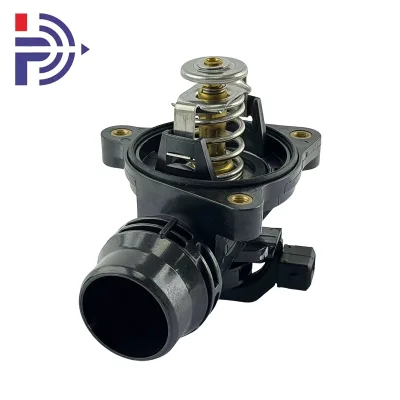


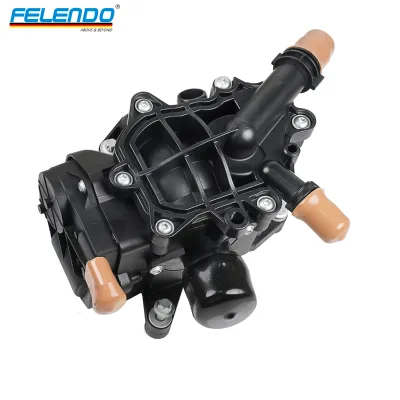
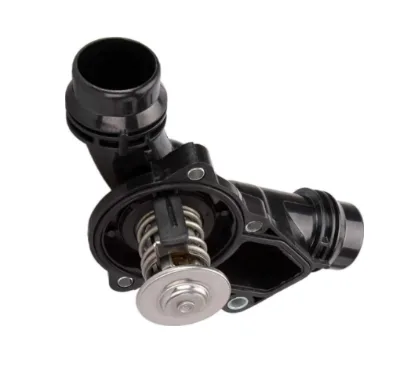
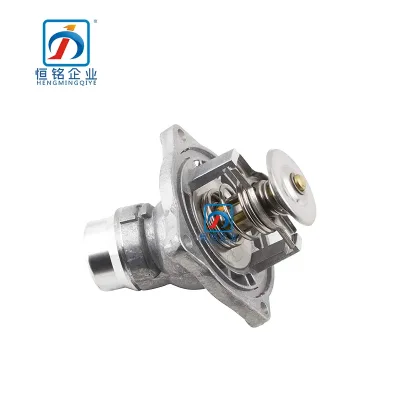



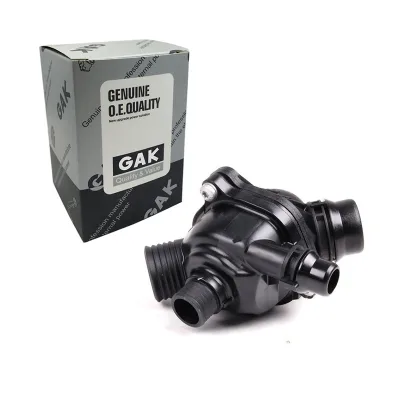
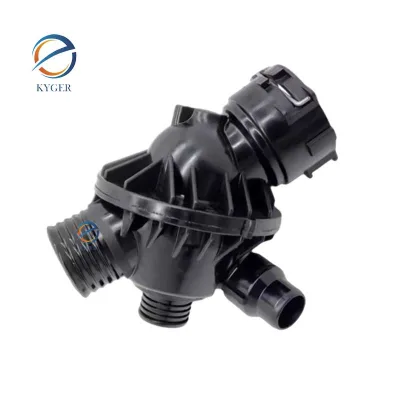
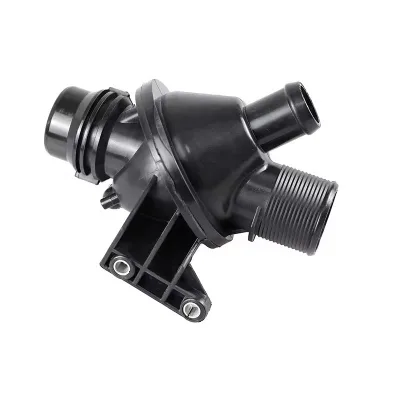
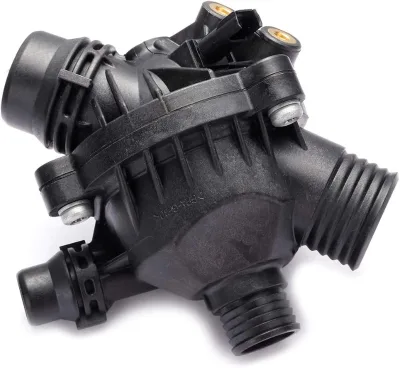

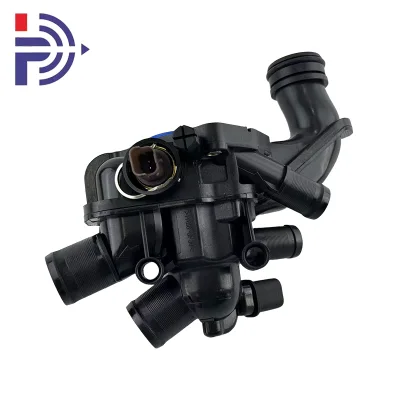
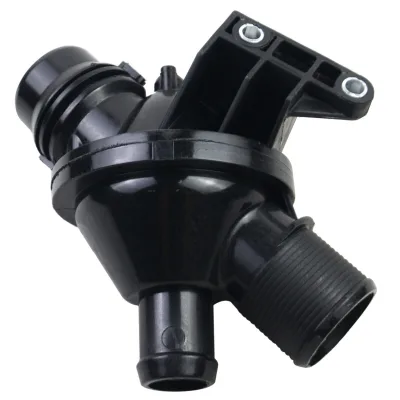
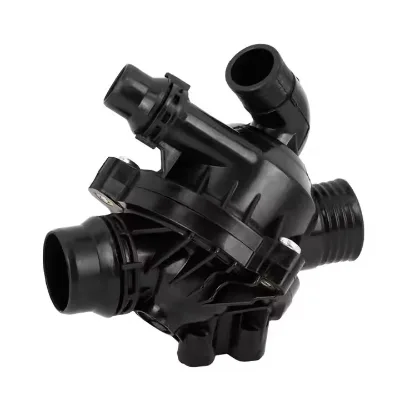
Comprehensive Sourcing Guide
BMW Thermostat Housing Sourcing Guide
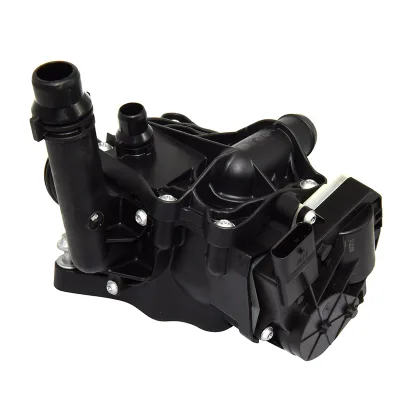
Sourcing replacement components for BMW cooling systems requires a disciplined approach to technical verification and supplier qualification. The BMW thermostat housing is a critical junction in the engine’s thermal management architecture, often integrating electronic sensors and valves to regulate coolant flow. Procurement teams must distinguish between simple mechanical housings and complex heat management modules, as the latter involve active electronic control and higher voltage requirements. Understanding these distinctions prevents costly compatibility errors and ensures that the purchased parts align with the specific engine architecture, such as the B58 series or older inline-six configurations.
This guide provides a structured framework for evaluating aftermarket thermostat housings based on observed market data and technical specifications. Buyers will learn how to interpret listing signals, verify critical technical parameters, and assess supplier reliability. By focusing on evidence-based verification steps, procurement professionals can mitigate risks associated with counterfeit parts, incorrect fitments, and premature failures. The following sections detail the essential checks required to secure high-quality components that meet OEM standards while maintaining cost efficiency in the supply chain.
Product Scope and Observed Listing Signals
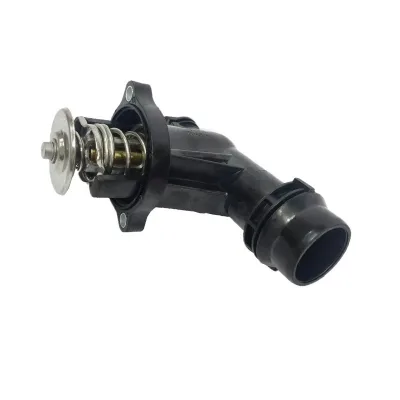
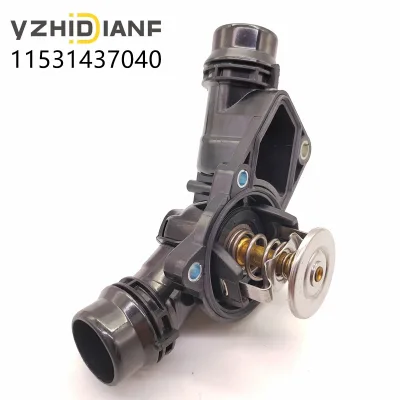
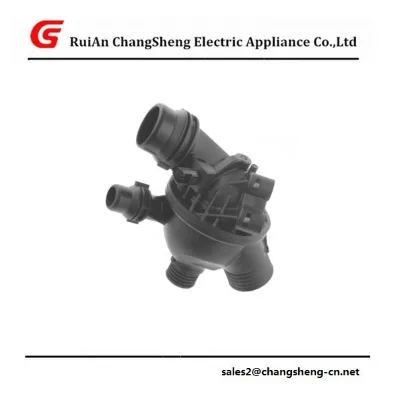
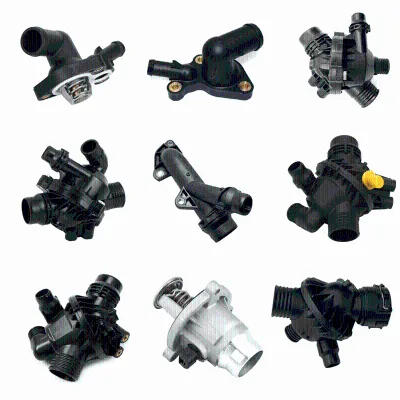
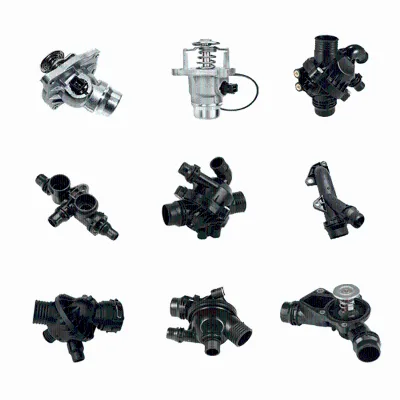
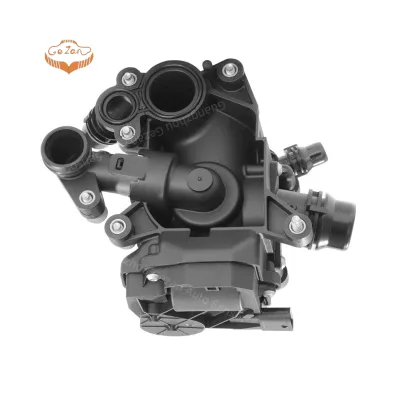
Market listings for BMW thermostat housings reveal a diverse range of product types, from basic sealed mechanical units to advanced electric heat management modules. Observed data indicates that products are available in various conditions, primarily aftermarket new, with some listings specifying compatibility with specific OEM numbers like 11537642854 or 11537510959. Buyers should note that the scope extends beyond simple housings to include integrated components such as thermostats and water temperature sensors, which may be switch-type or digital-type depending on the application. This variation necessitates careful review of the product model and purpose to ensure the selected part matches the vehicle’s specific cooling system design.
Packaging and origin details provide additional context for logistics and quality expectations. Most observed products originate from Zhejiang, China, and are packed in cartons with standard quantities per carton, such as 30 pieces or specific dimensional standards like 24x18.5x18.5 cm. Some listings offer neutral packing or client-requested packaging, which is crucial for private label arrangements. Inventory status varies, with some items available within 5-7 days and others requiring up to 35 days for production. Procurement teams must align their ordering timelines with these lead times to avoid production delays, especially when dealing with no-stock items that require manufacturing cycles.
Technical Specifications to Verify
Technical verification begins with confirming the physical dimensions and structural integrity of the housing. Observed specifications include single package sizes such as 16x15x13 cm and weights ranging from 0.350 kg to 2.75 kg per piece, depending on the complexity of the module. Buyers must verify the radiator type, whether direct-flow or cross-flow, and the core structure, such as tube-fin designs, to ensure proper coolant circulation. Additionally, the presence of integrated components like thermostats and the type of water temperature sensor, whether switch or digital, must match the vehicle’s electrical system. Mismatches in these physical and structural attributes can lead to installation failures or inefficient cooling performance.
Electrical and operational parameters are equally critical for electronic thermostat housings. Listings indicate working voltages typically ranging from 9V to 16V, with working currents exceeding 0.5A, which aligns with standard automotive electrical systems. The operating temperature range is specified as -40 to 135 degrees Celsius, ensuring functionality in extreme conditions. Buyers should also verify the IP grade, with IP67 ratings observed for certain models, indicating dust and water resistance. Confirming these electrical specs prevents issues such as sensor malfunction or module failure due to voltage incompatibility or inadequate environmental sealing.
Compliance and Safety Documentation
Compliance verification is essential to ensure that purchased components meet international safety and environmental standards. Observed certifications include ISO and RoHS compliance, which are critical for markets with strict regulatory requirements. Buyers must request valid certification documents from suppliers to confirm that materials used in the housing and electronic components do not contain hazardous substances. Additionally, TS certification may be relevant for automotive-specific quality management systems. Verifying these certifications protects against legal liabilities and ensures that the products are suitable for sale in regulated markets, maintaining brand reputation and customer trust.
Safety documentation also includes warranty terms and condition guarantees. Most observed products come with a one-year warranty, which serves as a baseline for quality assurance. Buyers should clarify the scope of the warranty, including coverage for defects in materials and workmanship, and the process for claims. The condition of the products is listed as aftermarket new, but buyers must ensure that this refers to genuine new components rather than refurbished units. Clear warranty terms and condition guarantees provide recourse in case of premature failures, reducing the financial risk associated with bulk procurement and ensuring long-term reliability of the installed parts.
Cost Drivers and Commercial Terms
Cost drivers for BMW thermostat housings include material quality, electronic complexity, and packaging requirements. Products with integrated electronic modules and higher IP ratings typically command higher prices due to the additional manufacturing steps and component costs. Observed price ranges vary significantly, reflecting differences in brand, certification, and technical specifications. Buyers should analyze the cost per unit in relation to the observed MOQ ranges, which typically span from 1 to 100 pieces. Understanding these cost drivers helps in negotiating better terms and selecting products that offer the best value for the intended application, balancing quality with budget constraints.
Commercial terms such as payment methods, shipping options, and return policies also impact the total cost of ownership. Suppliers may offer different packing options, including normal neutral packing or client-requested packaging, which can affect shipping costs and handling requirements. Buyers should negotiate clear terms for lead times, especially for no-stock items that may require up to 35 days for production. Additionally, understanding the supplier’s return policy for defective items is crucial for managing inventory risks. Transparent commercial terms ensure that the procurement process is smooth and that unexpected costs are minimized, allowing for accurate budgeting and planning.
Supplier Qualification and Quality Control
Supplier qualification involves assessing the manufacturer’s capability to produce consistent, high-quality components. Buyers should verify the supplier’s production capacity, quality control processes, and history of delivering to automotive clients. Observed data indicates that many suppliers are located in Zhejiang, China, a hub for automotive parts manufacturing. Buyers should request samples to evaluate the physical quality, fitment, and electronic functionality of the products. Additionally, verifying the supplier’s ability to provide customization options, such as specific packaging or branding, can be important for private label arrangements. A qualified supplier will have robust processes to ensure that each batch meets the specified technical and compliance standards.
Quality control measures should include incoming material inspections, in-process checks, and final product testing. Buyers should inquire about the supplier’s testing protocols for electronic components, such as voltage and temperature range verification. Observing the supplier’s packaging standards, such as the use of cartons with specific quantities, can also indicate their attention to detail. Establishing a clear communication channel for reporting defects and resolving issues is essential for maintaining a reliable supply chain. Regular audits and performance reviews can help ensure that the supplier continues to meet quality expectations, reducing the risk of supply disruptions and product failures.
Long-Term Procurement Checks
Long-term procurement success depends on continuous monitoring of supplier performance and product reliability. Buyers should track key metrics such as defect rates, delivery times, and customer feedback to assess the ongoing quality of the thermostat housings. Establishing a feedback loop with end-users or installation partners can provide valuable insights into real-world performance issues. Regularly reviewing the supplier’s compliance status and certification validity is also crucial to ensure ongoing adherence to regulatory requirements. By maintaining a proactive approach to quality management, buyers can identify and address potential issues before they impact production or customer satisfaction.
Strategic relationship management with suppliers can lead to better pricing, priority production, and access to new product developments. Buyers should engage in regular business reviews to discuss performance, market trends, and future needs. Collaborating with suppliers on product improvements or customization requests can enhance the competitiveness of the final offering. Additionally, diversifying the supplier base can mitigate risks associated with single-source dependencies. By fostering strong, transparent relationships, buyers can secure a stable supply of high-quality BMW thermostat housings, supporting long-term business growth and customer loyalty.
FAQs
What is the warranty period for the ANP brand bmw thermostat housing?
The warranty period is one year for the ANP brand bmw thermostat housing. This coverage applies to aftermarket new components designed for replacement and repair purposes. Buyers should verify specific terms with the supplier to ensure the warranty covers manufacturing defects and operational failures during the specified duration.
Can the bmw thermostat housing be customized for specific vehicle models?
Yes, customization is available for the bmw thermostat housing to meet specific vehicle requirements. The product supports OEM numbers such as 1537550172 and 11537642854. Buyers can request specific packing or neutral packaging options to align with their distribution needs and branding strategies.
What are the lead times for in-stock versus no-stock items?
Lead times vary based on inventory status for the bmw thermostat housing. Items marked as in stock typically ship within 5-7 days. For products with no stock, the lead time extends to approximately 35 days. Buyers should confirm current availability to plan their procurement schedules effectively.
Which certifications apply to the bmw thermostat housing components?
The bmw thermostat housing components hold ISOCold and ISORoHS certifications. These standards ensure compliance with environmental and safety regulations. The products are manufactured in Zhejiang, China, and meet specific operational requirements for cooling systems in automotive applications.
What is the single gross weight of the packaged bmw thermostat housing?
The single gross weight of the packaged bmw thermostat housing is 0.350 kg. The single package size measures 16x15x13 cm. This lightweight design facilitates efficient shipping and handling for individual units or bulk orders in standard cartons.
How does the bmw thermostat housing manage cooling fluid temperature?
The bmw thermostat housing manages cooling fluid temperature using a thermostat component within a sealed structure. It operates with glycol-based fluids and features a water temperature sensor. The system ensures efficient heat management for BMW engines under various working conditions.